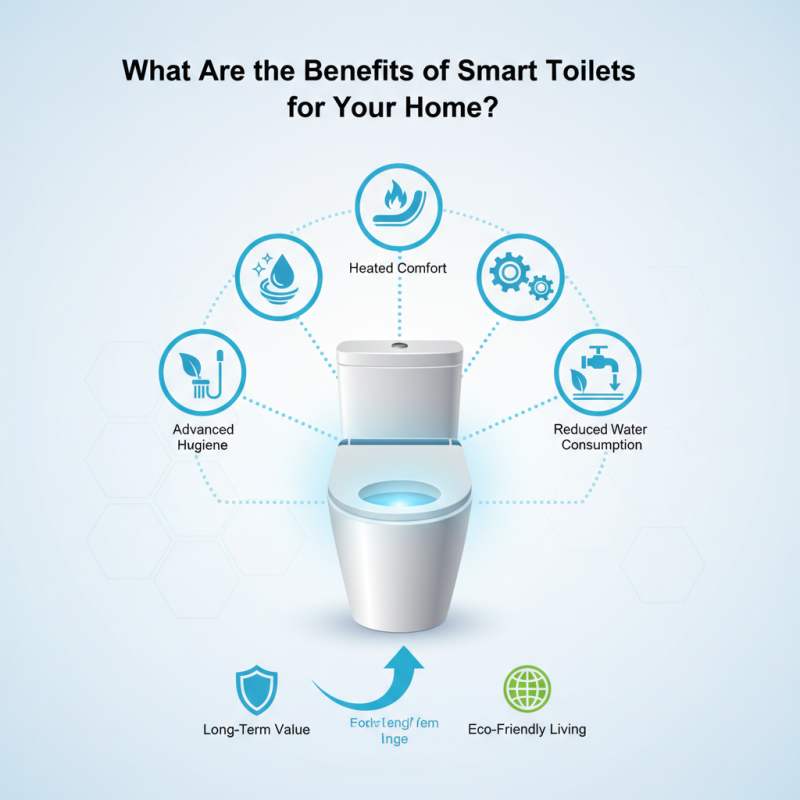
What Are the Benefits of Smart Toilets for Your Home?
In recent years, the introduction of Smart Toilets has transformed bathroom experiences. These innovative fixtures are not just about luxury; they offer practical benefits for your home. Smart Toilets combine technology and hygiene in ways that traditional toilets simply cannot match.
Imagine a toilet that cleans itself, includes heated seats, and even has built-in bidets. Smart Toilets aim to enhance convenience while promoting better sanitation. They can be programmed to suit individual preferences, making bathroom visits more enjoyable. Alongside comfort, they often reduce water consumption. This aligns with the growing trend toward eco-friendly living.
Yet, the transition to a Smart Toilet can be daunting. Initial costs may be higher, and users might need time to adapt to the advanced features. Concerns about repairs and maintenance can arise. Still, the long-term benefits—like improved hygiene and reduced environmental impact—are compelling reasons to consider this modern upgrade. Embracing Smart Toilets might just change the way we think about our bathrooms.
Introduction to Smart Toilets and Their Technology
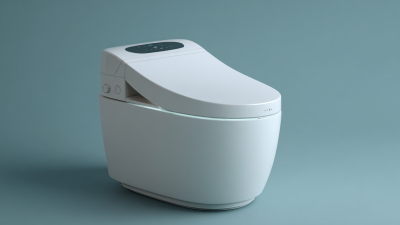
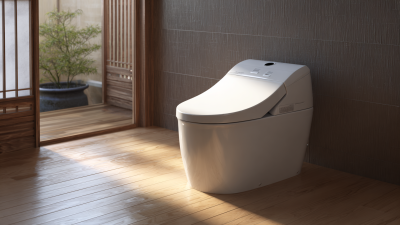
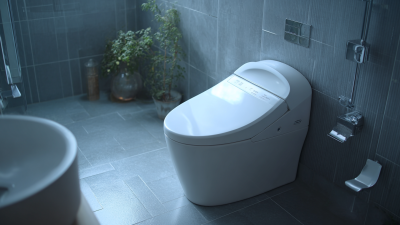
Smart toilets are a fascinating addition to modern bathrooms. They incorporate technology like sensors, heated seats, and automatic flushing. These features can enhance comfort and hygiene in daily life.
The technology behind smart toilets is indeed impressive. Many models are equipped with self-cleaning capabilities. This reduces the need for harsh chemicals and old-fashioned scrubbing. Moreover, the built-in bidets improve personal cleansing, which many find more hygienic than traditional methods.
While the benefits of smart toilets are clear, the initial investment can be daunting for some. Maintenance costs might also add up over time. It's essential to weigh the advantages against potential drawbacks before deciding to upgrade your bathroom. Exploring user reviews can provide valuable insights into real-world experiences.
Health Benefits of Smart Toilets for Users
Smart toilets are revolutionizing bathroom experiences. These advanced fixtures offer numerous health benefits. They often include features like heated seats, bidet functions, and self-cleaning mechanisms. According to a 2022 study by the National Sanitation Foundation, such toilets contribute to better hygiene, potentially reducing urinary tract infections by up to 30%.
In terms of comfort, smart toilets provide adjustable water temperatures and pressure settings. This personalization can enhance user satisfaction. Furthermore, some models even have sensors that analyze waste, providing insights into one’s health. A report from the American Journal of Public Health highlights that regular monitoring of bathroom habits may help in early detection of digestive issues.
Despite their advantages, smart toilets also present challenges. For some, the initial cost can be a barrier. Maintenance may require specialized knowledge, increasing long-term expenses. And, while technology aims for convenience, there's always a chance of malfunction. Adopting smart toilets invites both innovation and contemplation on balancing technology with practicality.
Environmental Impact: Water Conservation and Efficiency
Smart toilets are becoming popular in modern homes, and their environmental impact is significant. These toilets can save a considerable amount of water. Traditional toilets use up to 1.6 gallons per flush, while many smart models use only 1.28 gallons or less. This reduction can lead to substantial water savings over time. For families, this means lower water bills and a smaller environmental footprint.
The efficiency of smart toilets goes beyond just water consumption. Many models feature dual-flush mechanisms, allowing users to select the appropriate flush based on need. This choice encourages mindful usage. Additionally, smart toilets often come with built-in sensors that optimize the flush volume. However, the reliance on technology raises questions. Are we becoming too dependent on these gadgets? There are also concerns about the long-term sustainability of electronic components.
However, smart toilets aren't flawless. Issues with installation and maintenance can arise, leading to wasteful water use if not monitored properly. Homeowners should consider the balance between convenience and resource management. Investing in a smart toilet might seem beneficial, but understanding its environmental implications and potential drawbacks is crucial for responsible home improvement.
Benefits of Smart Toilets for Water Conservation
Smart toilets significantly reduce water usage per flush compared to traditional toilets, promoting efficiency and conservation in your home.
Enhanced Comfort and User Experience Features
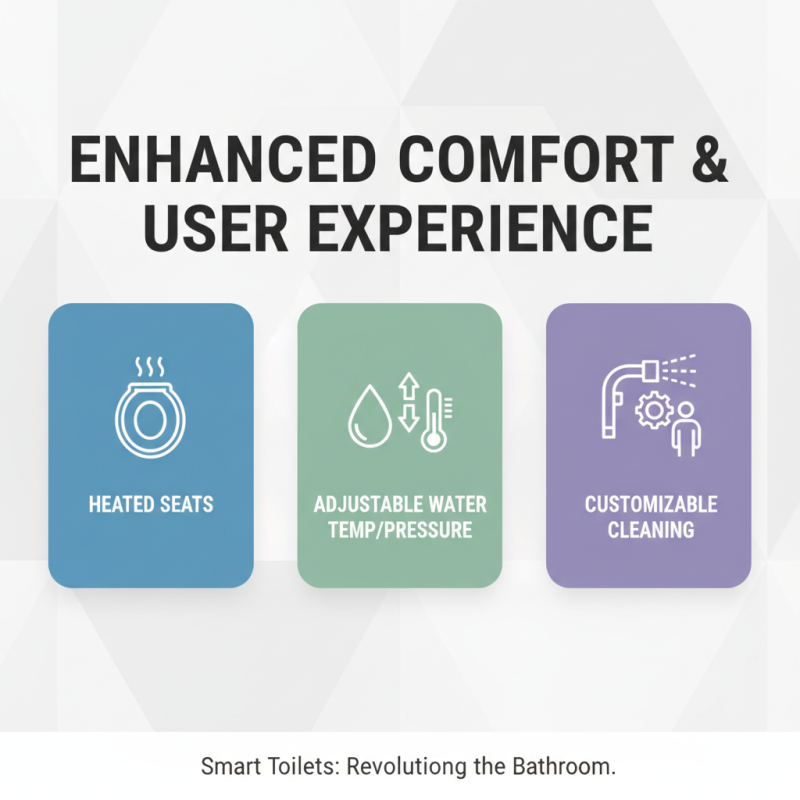
Smart toilets are revolutionizing the bathroom experience by offering enhanced comfort and user-friendly features. These high-tech fixtures often come equipped with heated seats, which can be a game-changer during cold mornings. This simple touch of luxury can significantly elevate daily routines. Furthermore, the adjustable water temperature and pressure cater to individual preferences. Some models even provide customizable cleansing options for a personalized feel.
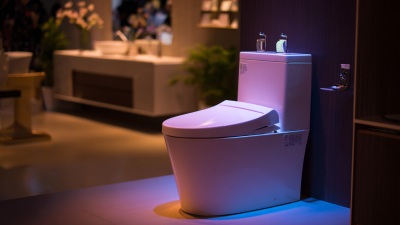
In addition to comfort, smart toilets also boast advanced user experience features. Many include built-in bidets that eliminate the need for toilet paper, promoting a more hygienic approach. These bidets can feature warm air dryers that further enhance cleanliness. Night lights and auto-opening lids serve well for those late-night trips, ensuring convenience and safety in the dark. However, while these advancements are impressive, users should consider the maintenance needs and potential learning curve when adapting to new technologies. Balancing innovation and practicality is key when integrating these sophisticated toilets into everyday life.
Cost Considerations: Investment vs. Value Over Time
Smart toilets can be a significant investment for homeowners. The initial purchase price typically ranges from $700 to over $5,000, depending on the features. According to a report by the National Kitchen and Bath Association, homeowners can recover up to 60% of their investment through increased home value. Yet, this perspective may vary across different regions and market conditions.
While the cost may seem daunting, numerous advantages lie ahead. Smart toilets often improve water efficiency, reducing monthly utility bills. The average toilet uses about 1.6 gallons per flush. Smart models can use as little as 0.8 gallons, leading to savings of roughly $100 per year for an average household. Over time, these savings contribute to overall value. Also, maintenance may decrease due to self-cleaning features and built-in sensors.
However, the technology can have a learning curve. Features like heated seats and bidet functions may take time for some to adapt to. Moreover, if repairs are needed, costs can escalate quickly due to specialized parts. Homeowners should weigh these potential hurdles against the comfort and convenience that smart toilets provide. Balancing initial investment with long-term value is crucial.