How to Choose the Right Counter Sink for Your Kitchen Renovation
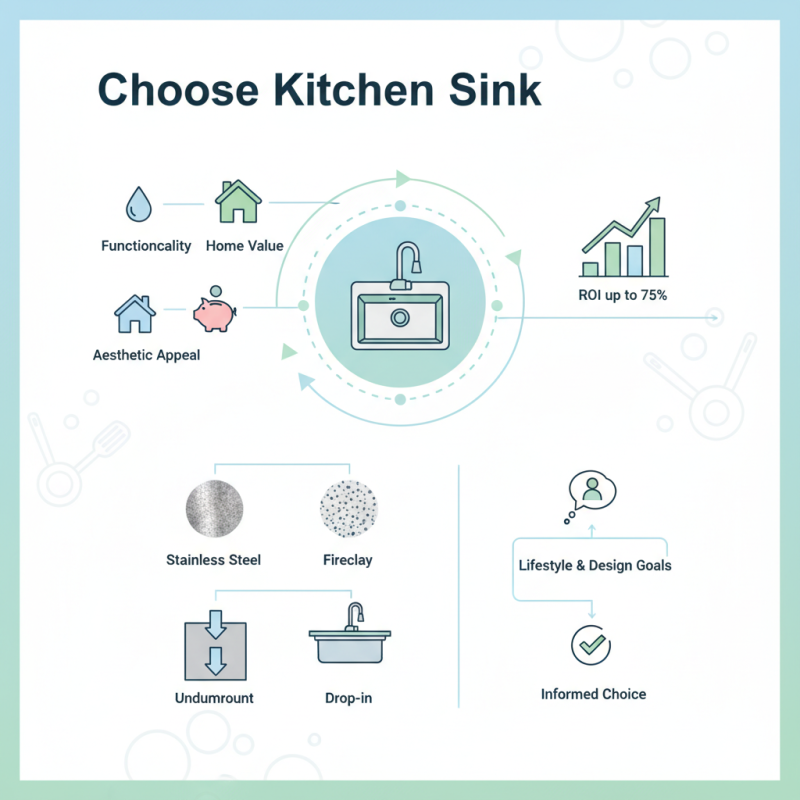
When embarking on a kitchen renovation, one of the most critical yet often overlooked decisions is the selection of the right counter sink. According to the National Kitchen and Bath Association (NKBA), an estimated 60% of homeowners consider their kitchen sink as a central feature of their cooking space. The counter sink not only plays a pivotal role in the functionality of your kitchen but also significantly impacts its aesthetic appeal. With an increasing variety of materials, styles, and configurations available, making an informed choice is essential for both practical considerations and overall value.
Moreover, data from the Home Improvement Research Institute indicates that kitchen sinks have become a focal point for enhancing home value, with high-quality installations yielding up to a 75% return on investment. As homeowners increasingly engage in DIY renovations, understanding the diverse options—fabrication materials such as stainless steel, composite, or granite, and installation types like undermount or drop-in—becomes paramount in creating a space that meets both personal preferences and budgetary constraints. By taking the time to evaluate your lifestyle and design goals, you can select a counter sink that not only enhances your kitchen's functionality but also complements your home’s overall design.
Understanding Different Types of Counter Sinks Available for Kitchens
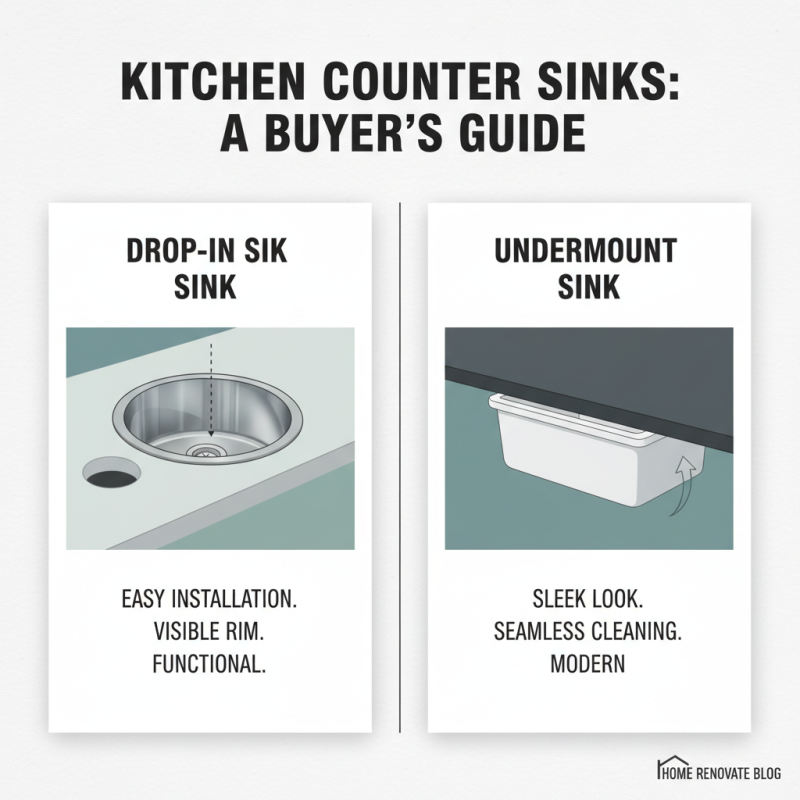
When it comes to kitchen renovations, selecting the right counter sink is crucial as it serves both functional and aesthetic purposes. There are several types of counter sinks available, each catering to different needs and styles. One common style is the drop-in sink, which is easy to install and fits into a pre-cut hole in the countertop. Undermount sinks, on the other hand, provide a sleek look as they are installed beneath the countertop, making cleaning easier and providing a seamless appearance.
Tips: When choosing between drop-in and undermount sinks, consider the material of your countertop. For example, undermount sinks are best suited for solid surface or quartz countertops. Additionally, think about the size and depth of the sink; deeper sinks are more practical for washing larger pots and pans. Don't forget to also consider the finish that complements your kitchen’s overall design.
Another popular option is the farmhouse sink, which adds a rustic charm to the kitchen. These sinks extend slightly beyond the countertop, offering a large basin perfect for heavy use. If space is a concern, you might look into corner sinks, which can help maximize your kitchen's layout. Always choose materials that are durable and easy to maintain, such as stainless steel or fireclay, to ensure your sink withstands the test of time while adding value to your kitchen.
Factors to Consider When Selecting a Counter Sink for Your Kitchen
When selecting a counter sink for your kitchen renovation, several factors should be considered to ensure the perfect fit for your functional needs and aesthetic preferences. Firstly, the material of the sink plays a critical role. Common materials include stainless steel, granite, and porcelain. Each has its advantages; for example, stainless steel is durable and easy to clean, while porcelain offers a classic look but may require more maintenance to prevent chipping.
Another essential factor is the size and depth of the sink. Evaluate the space available in your kitchen to ensure that the sink you choose complements the overall layout. A deeper sink might be beneficial for soaking large pots and pans, but ensure it does not overshadow the counter space.
**Tips:** When measuring for your new sink, always account for the cabinet structure below and the faucet placement. Additionally, think about the sink style; undermount sinks provide a seamless look, while drop-in sinks can be easier to install and replace. Lastly, don't forget to consider how the sink will work with your daily routines, like cooking and cleaning, as this will guide you toward the most suitable option.
How to Choose the Right Counter Sink for Your Kitchen Renovation
| Factor |
Description |
Example Options |
| Material |
Choose from stainless steel, composite, or ceramic based on durability and maintenance. |
Stainless Steel, Fireclay, Granite Composite |
| Size |
Consider the size of your kitchen and cabinetry space available for the sink. |
Single Bowl, Double Bowl, Farmhouse Style |
| Style |
The sink style should complement your kitchen's overall design theme. |
Modern, Traditional, Industrial |
| Installation Type |
Choose between top mount, undermount, or drop-in based on aesthetics and functionality. |
Undermount, Drop-in |
| Budget |
Determine how much you are willing to spend on the sink. |
$100 - $1000 depending on features |
Material Options for Kitchen Counter Sinks: Pros and Cons
When selecting a kitchen sink, the material is a critical factor that can significantly impact both aesthetics and functionality. Stainless steel is one of the most popular choices due to its durability and resistance to rust and stains. Its sleek appearance fits well in modern kitchens, and it’s easy to maintain. However, stainless steel sinks can be prone to scratches and may require regular polishing to maintain their shine.
Another noteworthy option is composite material, which combines several substances to create a strong, resilient surface. Composite sinks often imitate the look of natural stone while being more resistant to chipping and cracking. They come in various colors and patterns, allowing for seamless integration into diverse kitchen designs. On the downside, composite sinks can be heavier and might require additional reinforcement in cabinetry to support their weight.
For those seeking a more traditional look, porcelain-coated cast iron offers an appealing aesthetic. This material is not only visually striking but also provides a sturdy and durable option. Nonetheless, porcelain can chip easily if something heavy is dropped, and its weight can present installation challenges. Each material brings its unique set of advantages and disadvantages, making it vital to consider your kitchen’s design and your lifestyle when making a decision.
Material Options for Kitchen Counter Sinks: Pros and Cons
Sizing and Configuration: Finding the Right Fit for Your Space
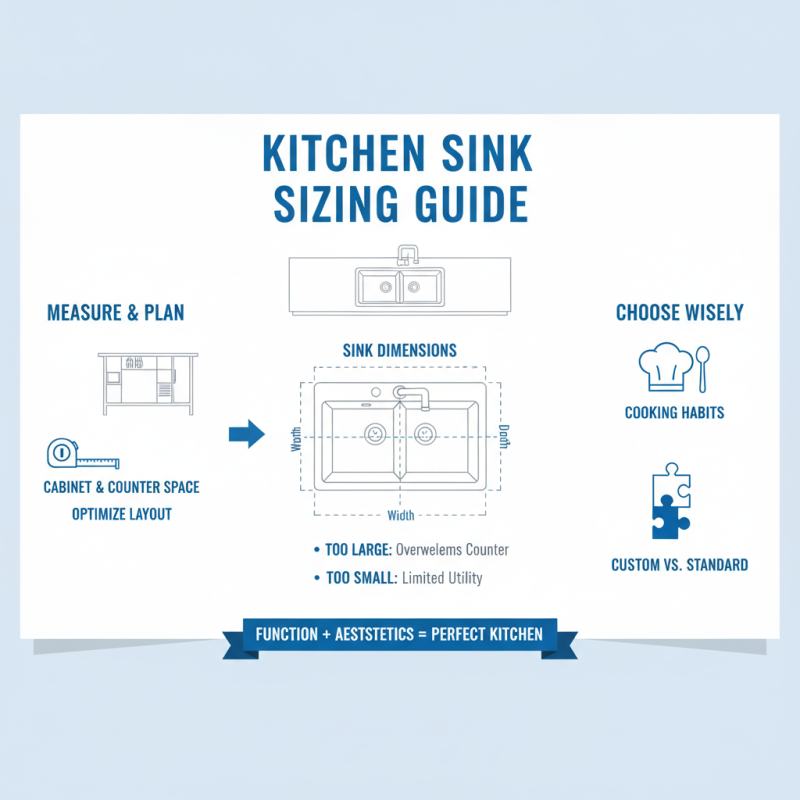
When it comes to choosing the right countertop sink for your kitchen renovation, sizing and configuration play a crucial role in creating a functional and aesthetically pleasing space. First and foremost, you need to measure the available area in your kitchen carefully. Consider both the dimensions of the cabinet under the sink and the surrounding countertop space. A sink that is too large can overwhelm the counter, while one that is too small may not provide the utility you need for daily tasks. Standard sink sizes can serve as a guideline, but customizing your sink dimensions can better suit your cooking habits and kitchen layout.
In addition to size, the configuration of the sink is equally important. Depending on your kitchen's workflow, you might prefer a single basin for simplicity or a double basin for versatility, allowing for multitasking during meal preparation. Think about how you envision using the sink—is it primarily for washing dishes, food prep, or even as a secondary bar sink? Additionally, the placement of the sink in relation to other kitchen elements, such as the stove and refrigerator, can enhance efficiency. Ultimately, finding the right balance between size and configuration will not only make your kitchen more functional but also contribute to a cohesive design that reflects your personal style.
Design and Aesthetic Considerations for Kitchen Counter Sinks
When choosing the right counter sink for your kitchen renovation, design and aesthetic considerations play a crucial role in achieving a visually appealing and functional space. The counter sink should complement the overall style of your kitchen, whether it's modern, traditional, or farmhouse. Opt for materials such as stainless steel, porcelain, or granite that not only enhance the aesthetic but also provide durability and ease of maintenance.
Tips: Consider the color scheme of your kitchen. A white sink can create a classic look, while a sleek black or stainless steel option can add a contemporary touch. Also, think about the finish—glossy surfaces can brighten up the space, while matte finishes offer a more understated elegance.
Additionally, the shape and size of the sink should align with your kitchen's layout and your daily needs. A larger, deeper sink may be ideal for those who cook frequently, while a single-basin design can be great for minimalist spaces. Ensure that your choice balances functionality and style, making it a focal point rather than just a utility fixture.
Tips: Pay attention to the faucet height and type, as it should match the sink for a cohesive look. Mixing styles can work, but aim for harmony in elements like color and material to ensure a seamless integration with your countertops and cabinetry.